
How to Pick the Right Plants and Materials for a Seattle-Area Landscape
Material and plant selection is where most landscape projects either come together or quietly fall apart. The Pacific Northwest is generous — the mild climate and abundant rainfall support an extraordinary range of plants — but it also punishes choices made without understanding local conditions.
The articles in this guide get specific. We cover individual materials (concrete pavers vs. natural stone vs. poured concrete), plant selections for common Greater Seattle conditions (shade gardens, deer-resistant borders), irrigation approaches that account for our dry summers and wet winters, and features like rain gardens that work with Seattle’s stormwater reality rather than against it.
Our goal isn’t to tell you what to pick — it’s to explain the trade-offs clearly enough that you can make a confident decision. Every material has strengths and weaknesses. Every plant has conditions where it thrives and conditions where it merely survives. Knowing the difference saves money and disappointment.
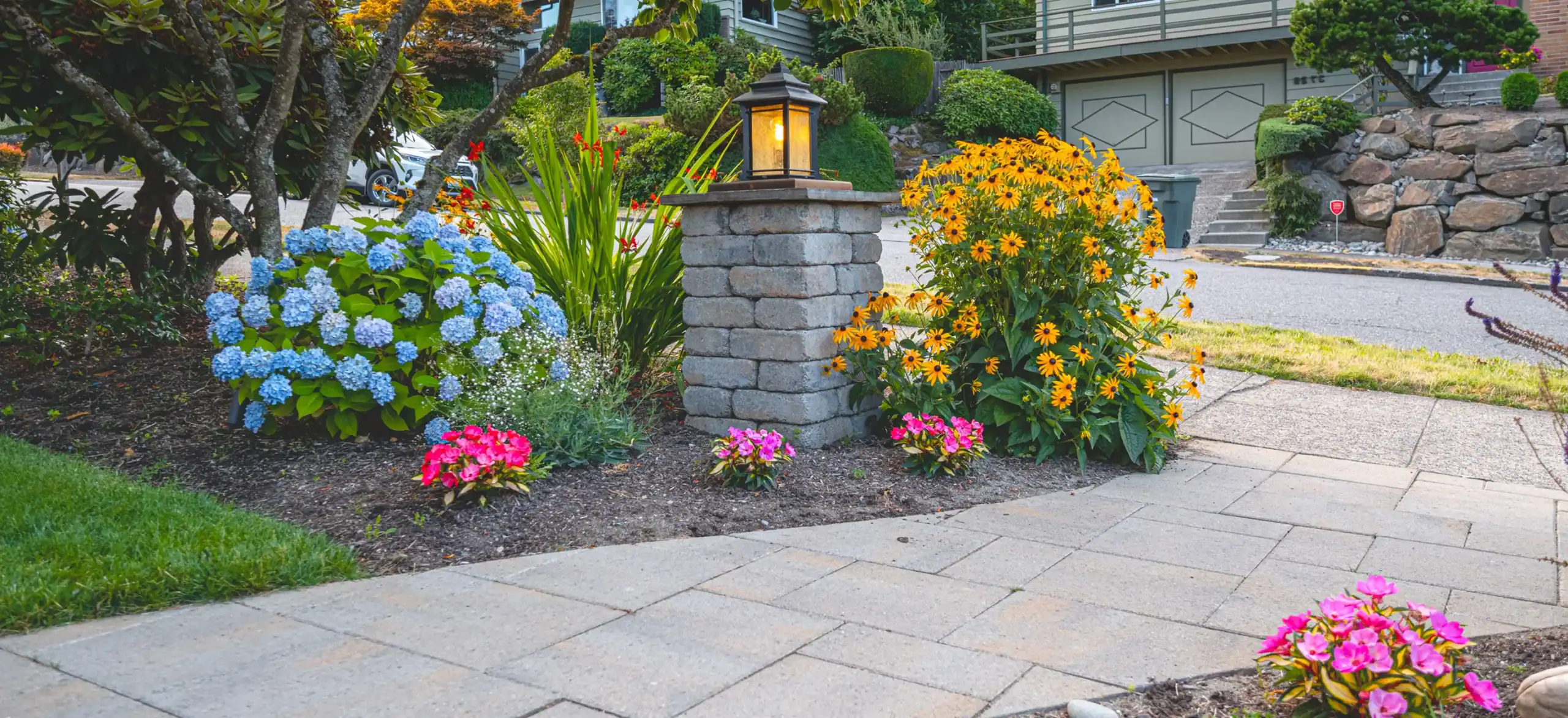
What We Cover
Paver and stone comparisons — concrete, natural stone, basalt, and permeable options for PNW conditions
Plant selection for specific challenges — shade, clay soil, slopes, deer pressure, and drought tolerance
Irrigation systems — drip vs. spray, smart controllers, and the reality of Seattle's summer dry season
Landscape lighting — LED options, placement strategies, and what makes Greater Seattle properties glow
Rain gardens and bioswales — working with stormwater instead of fighting it
Fence and screen materials — cedar, composite, and living screens for privacy
Plants Materials Articles & Guides
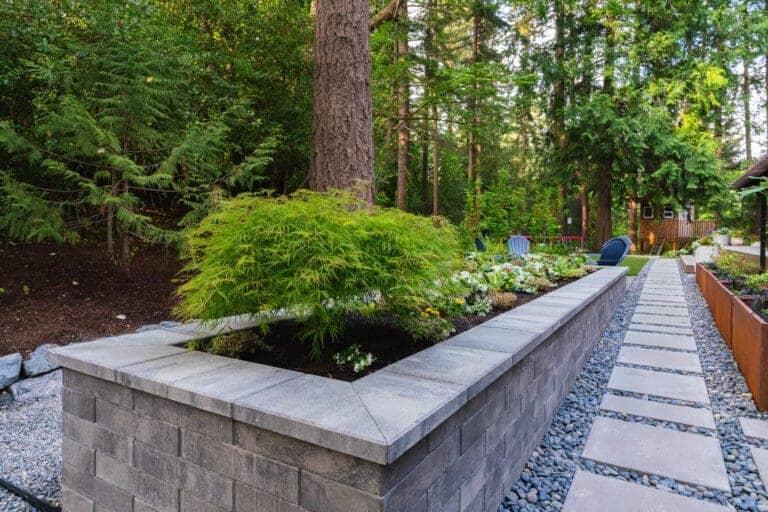
Japanese Maple Care Guide for Seattle Yards
Japanese maples are the signature specimen tree of Pacific Northwest yards. Right cultivar, right siting, right pruning — they outlive most landscapes.
Read Article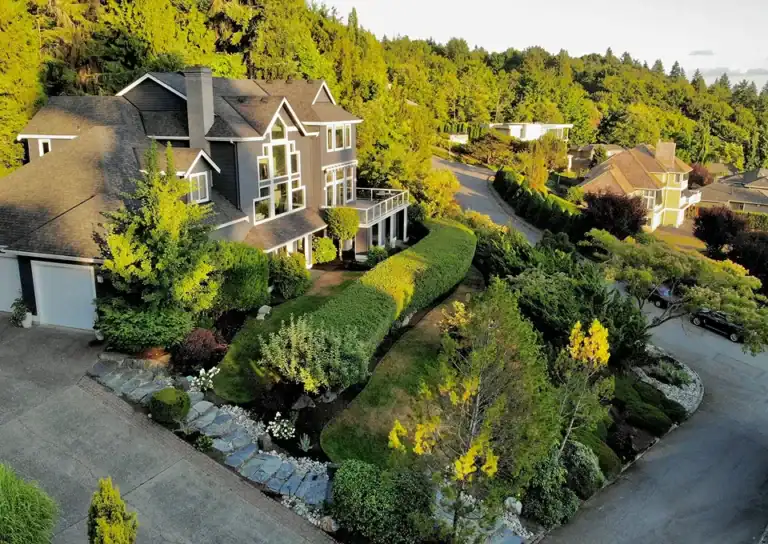
Best Evergreen Trees for Fall Planting in the Pacific Northwest
Fall is the planting window for evergreens that screen, anchor, or provide privacy in Pacific Northwest yards. Here's what performs and what doesn't.
Read Article
Concrete vs. Pavers vs. Natural Stone in Seattle: Cost, Performance, and What Classic Recommends
Read ArticlePatio Materials for Seattle: Pavers vs Stone
Comparing paver patios, natural stone, and concrete for Seattle's climate. Real costs, durability, and which material performs best long-term.
Read ArticleRetaining Wall Solutions & Material Ideas for Seattle Homes
Comparing retaining wall materials for Seattle's clay soils — concrete block, natural stone, boulders, poured concrete, and timber.
Read ArticleCedar, Composite & What Holds Up in Seattle’s Climate
Comparing fence materials for Seattle's wet climate — western red cedar, composite, pressure-treated, vinyl, and metal with real costs.
Read ArticleDrought-Tolerant Plants That Actually Look Good in Seattle
The best drought-tolerant plants for Seattle — native shrubs, Mediterranean perennials, and grasses that handle wet winters and dry summers.
Read ArticleBest Patio Materials for Seattle’s Climate
If you’re planning a new patio in the Greater Seattle area, the material you choose matters more than you might think. The Pacific Northwest throws a unique combination of challenges at outdoor surfaces — 37+ inches of annual rainfall, mild but occasionally freezing winters, persistent moss and algae growth, and naturally acidic soil that can.... <a href="https://classiclandscaping.com/plants-materials/"></a>
Read ArticleRetaining Walls in Seattle: Materials, Costs & Permits
Test push.
Read ArticleBest Plants for Seattle Shade Gardens
I
Read Article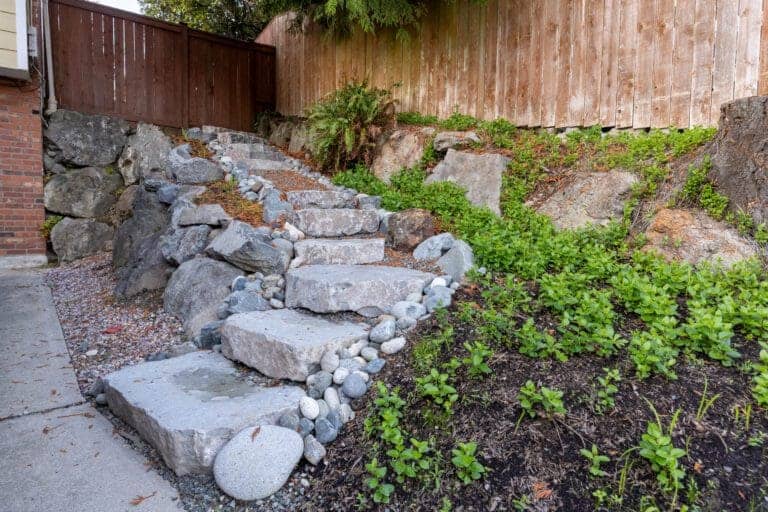
Best Ground Covers for Shaded Areas in the PNW
The best ground covers for shaded Pacific Northwest yards — sword fern, salal, native and low-maintenance picks that thrive west of the Cascades.
Read Article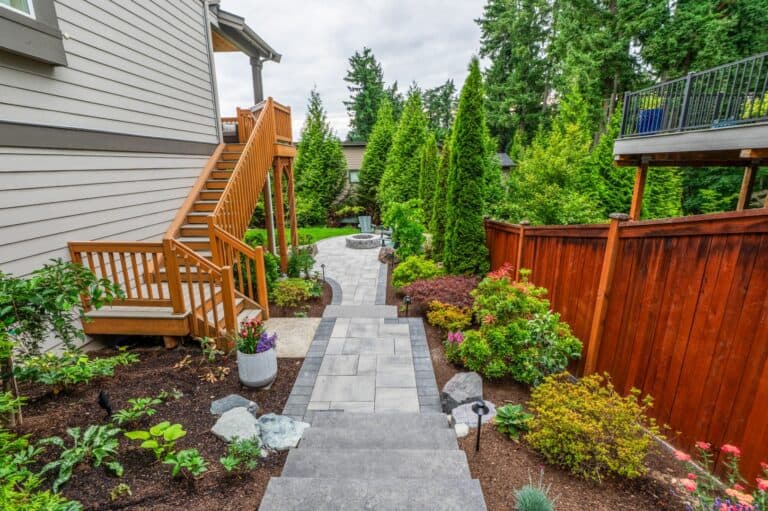
Hardscape & Softscape Elements That Anchor a Seattle Yard
Hardscape, softscape, drainage, lighting, and structures — the construction elements that turn a yard into a designed landscape, with Seattle examples.
Read ArticleFrequently Asked Questions About Plants Materials
Concrete pavers and locally sourced basalt are the two strongest performers. Both handle freeze-thaw cycles without cracking. Concrete pavers ($20-35/sq ft installed) offer the widest design range, while flagstone ($25-40/sq ft installed) brings a natural look. If stormwater management matters, permeable pavers let rainwater infiltrate rather than run off.
Natives like sword fern, salal, and Oregon grape require almost no maintenance once established. For color, try heuchera, Japanese forest grass, and hellebores. Layer heights: tall rhododendrons or vine maples in back, mid-height ferns in the middle, and ground covers like wild ginger at the edges.
For planting beds, drip irrigation is almost always the better choice in Seattle. It delivers water directly to root zones, reduces fungal issues, and uses 30-50% less water. For lawns, pair spray heads with a smart controller that adjusts watering based on local weather data.
In many King County jurisdictions, permeable pavers can save money by reducing stormwater detention requirements. They cost about 15-25% more for materials alone, but the total installed cost can be comparable when you factor in reduced drainage infrastructure.
Western red cedar is the traditional PNW choice — naturally rot-resistant and weathers beautifully. Expect 15-25 years of life. Composite fencing costs more upfront but lasts 25+ years with zero maintenance. For a living screen, Portuguese laurel stays green year-round and tolerates heavy pruning.
Ready to choose the right materials for your yard?
Bring us your ideas, your Pinterest boards, your neighbor's patio that caught your eye — and we'll help you figure out which options make sense for your specific property, budget, and climate conditions.