

-

Site-Specific Design
Drainage, sun, and how you use the space all shape the plan.
-

Horticultural Expertise
Every selection vetted by a designer for your soil and exposure.
-

Build-Ready Plans
Installation drawings with material specs and cost guidance, ready to build.
-

One Design Fee
Pay for design once. If you build with us, it's not billed again in the project.
Designs Begin on Your Property
Before any drawing starts, we spend time on your property — taking measurements, looking at how sun and water move through the site, noting what's already there, and talking through how you want to use the space. The designers ask more than they pitch. Once a direction is clear, your designer chooses plants that will hold through Seattle winters and dry summers.
Pay for design once. If you build with us, the design is already done and stays out of the construction scope.
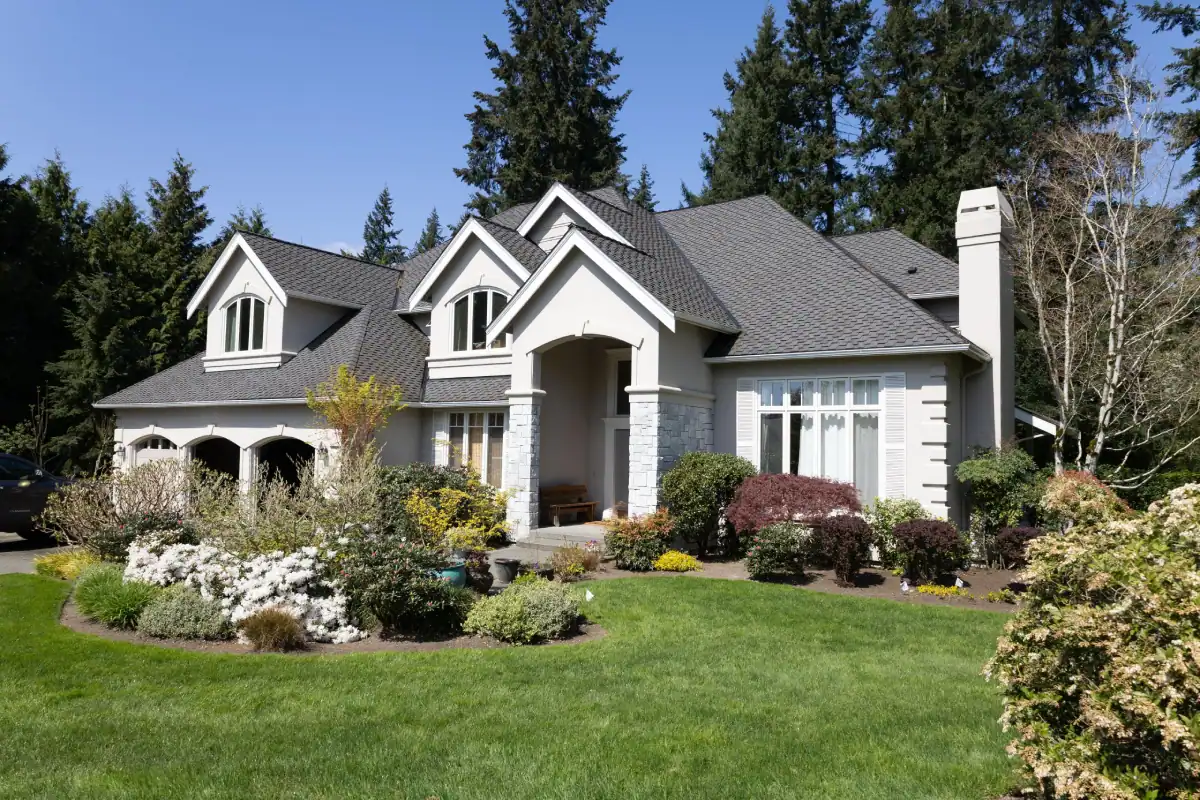
A good plan takes time, horticultural expertise, and honest conversations about what your property can and can't do. Charging once — and keeping design out of the build scope when we end up doing both — keeps our incentives where they belong: on a design that's buildable at the budget you've set.
What a Classic Landscaping Design Includes
Our design process moves through a structured sequence. Each phase is designed to reduce risk and keep you informed before commitments are made.
-

Site Assessment & Analysis
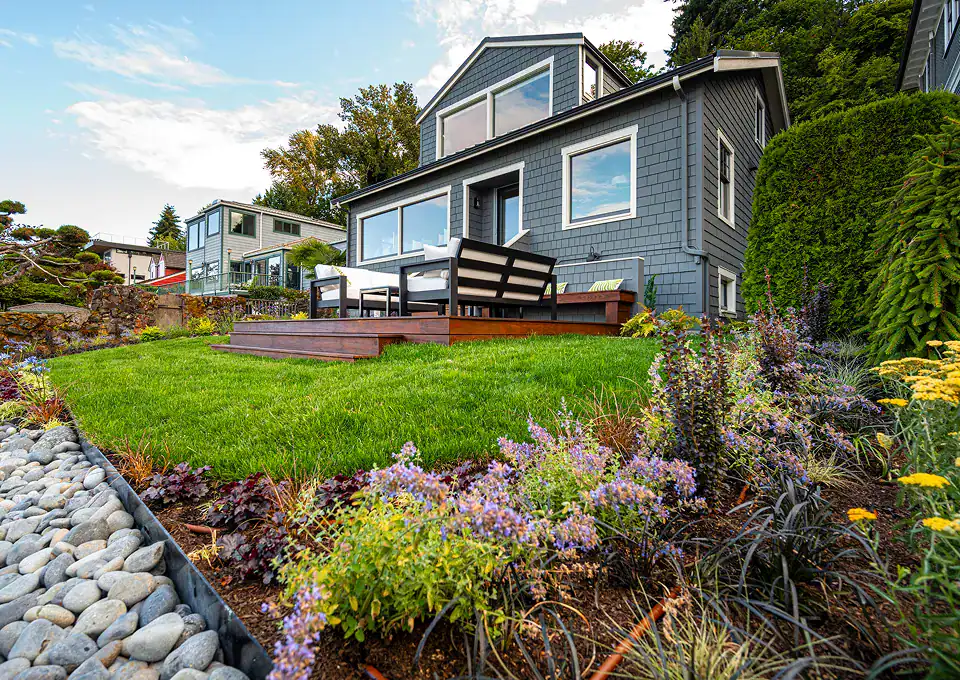
+ -Before any drawing begins, we walk the property and note existing conditions, including:
 Site measurement & survey
Drainage observations
Sun & shade observations
Existing plant inventory
Soil & exposure considerations
Site measurement & survey
Drainage observations
Sun & shade observations
Existing plant inventory
Soil & exposure considerations
-

Concept Development
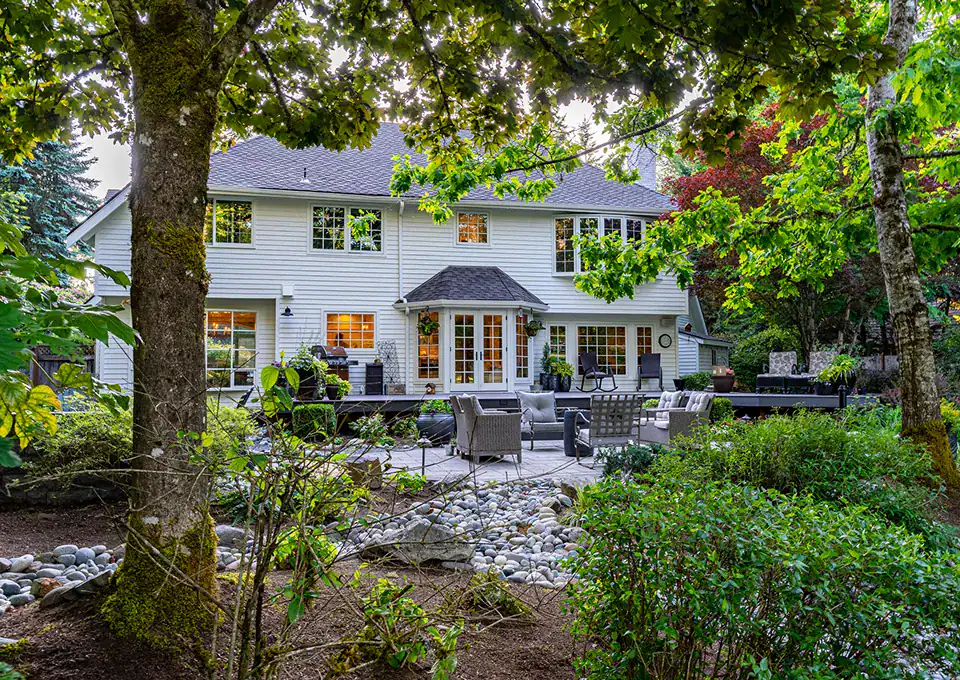
+ -Two or three directions to choose from, each exploring a different way the space could come together.
2–3 concept directions
Space planning options
Plant palette previews
Hardscape options with costs
In-person presentation
-

Planting Design
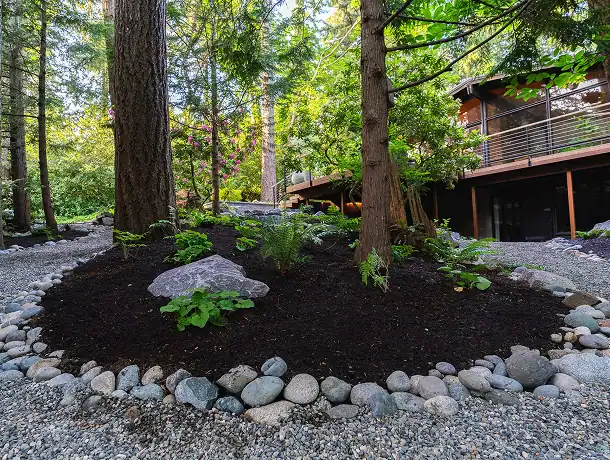
+ -Plans specify each plant by species and mature size, so you know what you're getting and how it'll grow in.
Species-level planting plan
PNW natives prioritized
Four-season interest
1-year plant warranty
Per-plant care notes
-

Hardscape Design
+ -Patios, pathways, walls, and steps drawn for drainage and durability.
Patio & paths to scale
Walls with drainage
Material specs included
Drainage routing shown
Cost guidance per element

What Our Design Clients Say

We’d talked to two other designers before Classic Landscaping and both gave us plans that felt generic—like they hadn’t really looked at our yard. The...
Read More Margaret T. Verified Client
In our experience hiring contractors, the design phase is usually rushed. Classic Landscaping was different—they slowed down at the beginning and it s...
Read More James & Carol W.
Verified Client
Our front yard had a drainage problem that every previous landscaper either missed or ignored. The Classic team flagged it in their site analysis befo...
Read More David K.
Verified Client
The design fee was credited toward our build, which made the whole thing feel like a more rational investment. More importantly, the plant selections...
Read More Rachel M.
Verified Client
Additional Design Services
Beyond the standard residential design package, our team offers specialized services for properties with specific needs—phased long-term plans, lighting layouts, irrigation schematics, and standalone consultations for clients who want expert input without a full design engagement.
-
Phased Master Plans
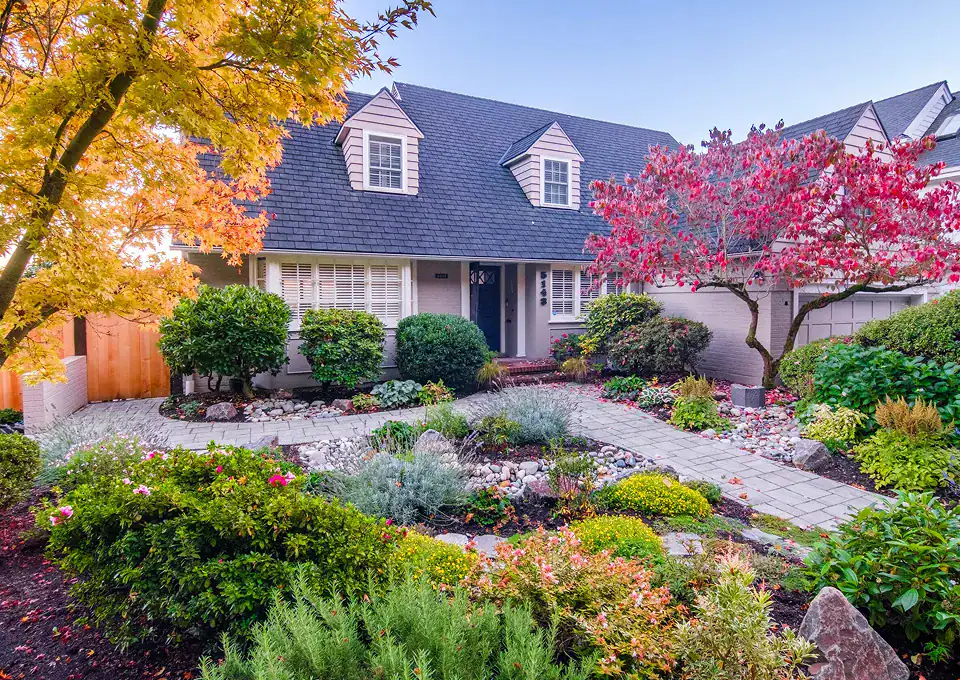
+ -One full vision, broken into stages you can build over 2, 5, or 10 years. Each phase sets up the next, so nothing gets undone later.
Full vision in phase one
No rework between phases
Budget planning per phase
Each phase self-contained
-
Landscape Lighting
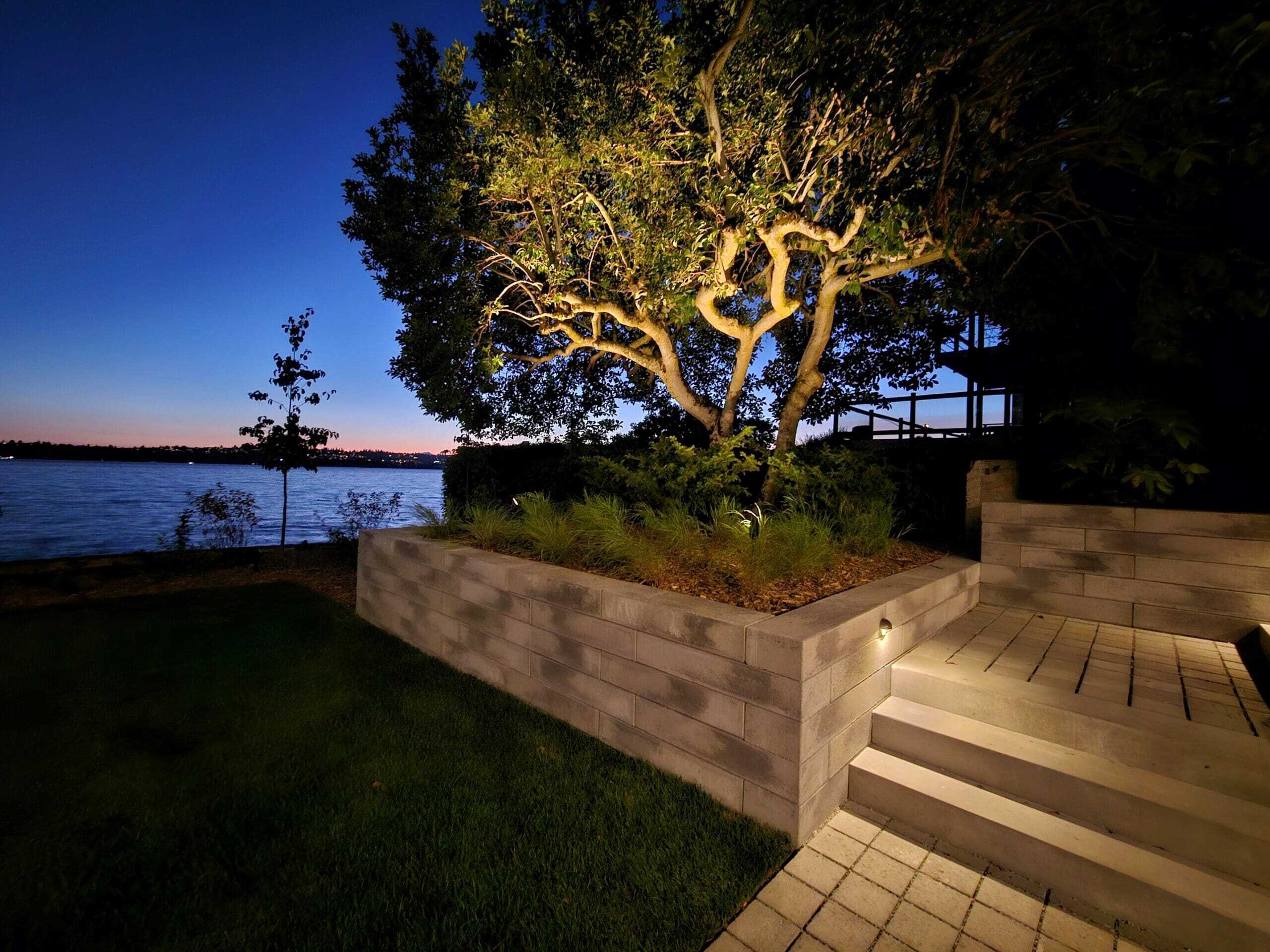
+ -Fixture placement and control zones thought through up front, so the property reads well after dark and is safe to walk. We produce a formal lighting plan when the project calls for one.
Fixture placement plans
Pathway, accent & task zones
Low-voltage LED compatible
Installer-ready specs
-
Irrigation
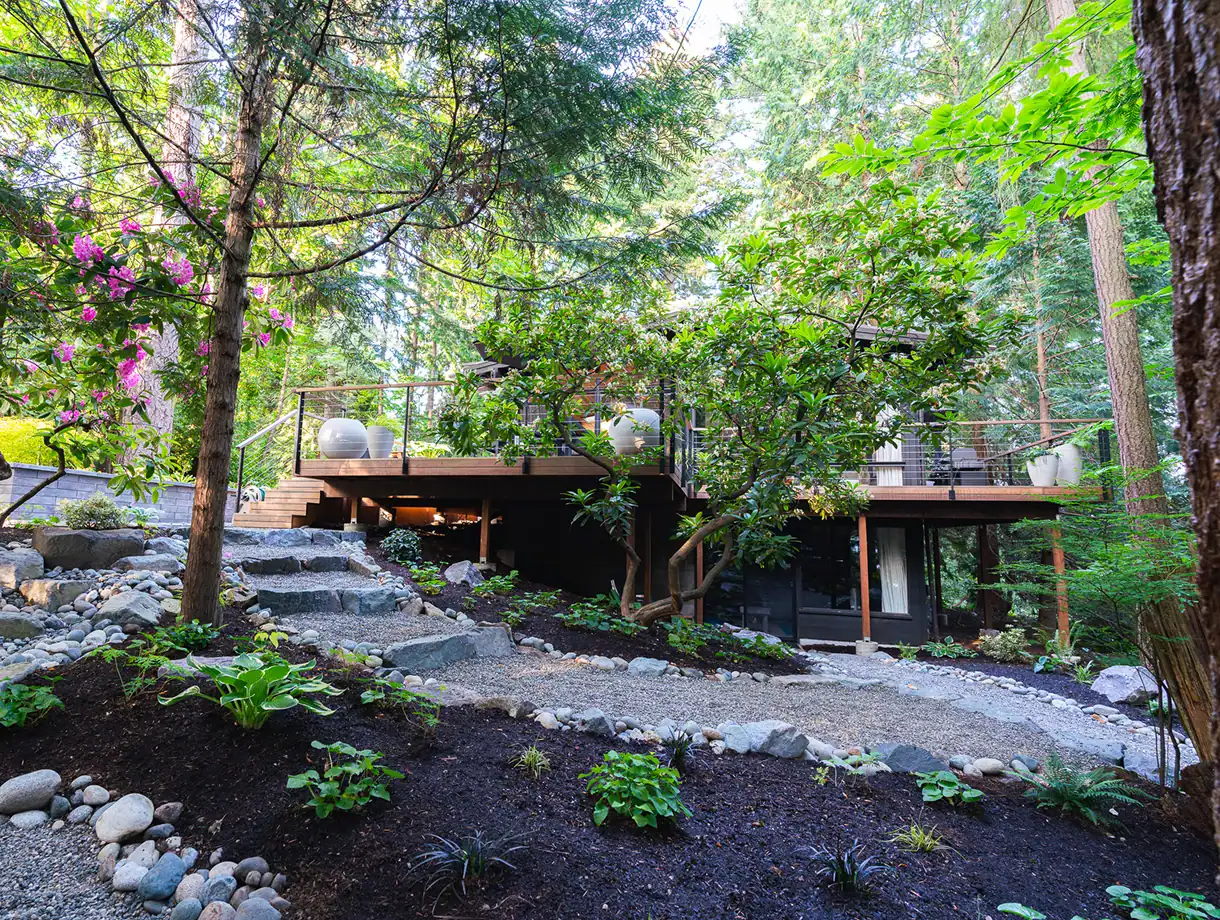
+ -Irrigation is thought through against your plant palette and Seattle's clay soils to prevent overwatering and standing water. A formal schematic is produced when the project calls for one.
Zones matched to plants
Head placement when a schematic is produced
Soil infiltration factored
Smart controller compatible
-
Consultation Services
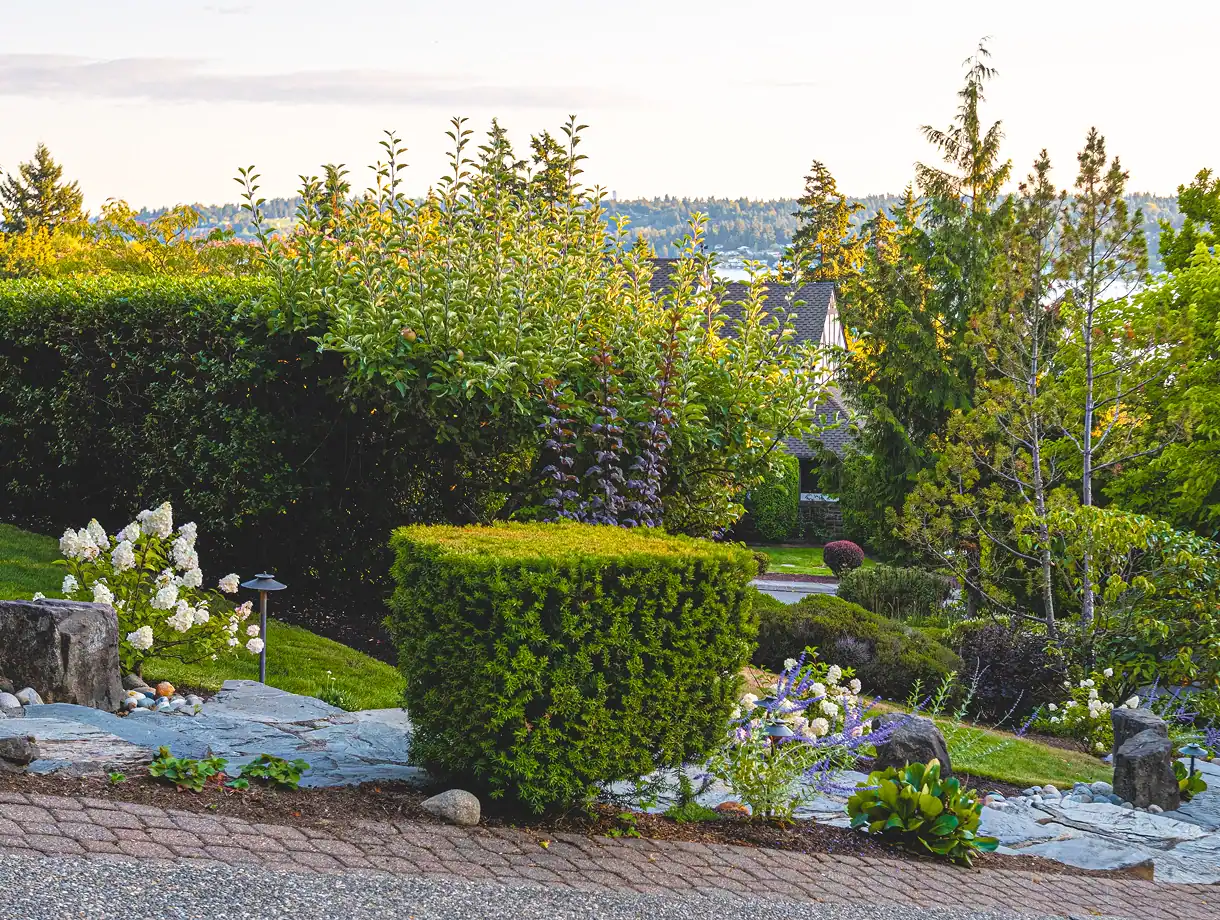
+ -A 60–90 minute on-site visit. For evaluating an existing landscape, getting plant recommendations, or reviewing a plan you already have. Notes follow by email, with a proposal if you want to take it further. No commitment to build.
60–90 min on-site
Notes follow by email
Assessment or design review
No commitment required
Recent Landscape Design Projects

Bellevue Garden Redesign
Full property redesign for a 0.4-acre Bellevue lot with significant grade change. Planting plan featured Japanese maples, native ferns, and a dry creek drainage feature that resolved a chronic surface water problem.
Kirkland Front Yard & Entry
Curb appeal redesign centered on a new bluestone entry walk, layered evergreen foundation planting, and a single specimen tree selected for four-season interest.
Woodinville Phased Master Plan
Multi-year phased plan for a 0.7-acre property. Phase one covered the rear garden and patio area; phases two and three address the side yard and front entry over the following two years.
Seattle Hillside Planting Design
Slope stabilization planting on a 40-degree north-facing hillside. Species selected for root depth, shade tolerance, and low irrigation demand once established.
Redmond Rain Garden Integration
Design incorporating a permitted rain garden to manage storm runoff from a 2,400 sq ft impervious surface. Native plant selection chosen for tolerance of both inundation and summer dry periods.
Landscape Design Questions
-
How much does landscape design cost in Seattle?
+ -Landscape design starts at $2,000 for straightforward projects and can run $10,000+ for complex work that requires permitting assistance. The fee scales with property size, scope, and how much permitting coordination the project involves. If you go on to build with Classic Landscaping, the design is already done — so it isn't billed again in the construction scope.
-
What’s included in a landscape design package?
+ -A typical design package covers planting and hardscape — a planting plan specifying each plant by species and mature size, plus drawings for patios, walls, paths, and steps with material specs and cost guidance per element. Drainage routing is shown where it affects the design, and plant care notes are included with the plant schedule. Lighting and irrigation plans are added when the project calls for them. The package is detailed enough for permitting and construction, whether you build with us or take it to another contractor.
-
Do I need a permit for landscape work in Seattle?
+ -Most planting and basic hardscape work doesn't need a permit. Projects that typically do: retaining walls over 4 feet, grading that affects drainage, work within critical areas (steep slopes, wetland buffers), and structures like pergolas or covered outdoor kitchens. We're familiar with city and county requirements across the Greater Seattle area and flag permit triggers during the design phase — before you commit to a scope.
-
How long does the landscape design process take?
+ -4 to 8 weeks from site visit to finalized package for a typical project. Site analysis and concept development run 2–3 weeks; refinement and final documentation, another 2–3. Larger or more complex projects — significant grading, phased master plans, multi-acre properties — can take 10–12 weeks. You'll get a schedule at the start so the timing is clear up front.
-
What plants work well in Seattle’s climate?
+ -A few that hold up well in the Greater Seattle area: Japanese maples (Acer palmatum), Katsura (Cercidiphyllum japonicum), rhododendrons and azaleas, ornamental grasses like Hakonechloa and Miscanthus, and PNW natives — vine maple (Acer circinatum), sword fern (Polystichum munitum), red-flowering currant (Ribes sanguineum). We avoid plants that need better drainage than Seattle clay can give them, unless drainage improvements are part of the project.
-
Can you design around an existing garden I want to keep?
+ -Yes. The best landscapes often build on what's already working. Our site walk includes a plant inventory — we evaluate each for condition, design fit, and long-term viability. Mature trees and healthy established shrubs usually get worked into the new design. Plants that are declining, misplaced, or wrong for the new plan are flagged for removal, with the reason explained.