
Why Seattle Yards Develop Problems (and What You Can Do About Them)
Living in the Greater Seattle area means your landscape deals with conditions that most of the country never faces. Between 37 inches of annual rainfall, naturally acidic soil and slopes that channel water in unexpected directions, even well-built yards develop issues over time.
The tricky part is that landscape problems rarely announce themselves. A retaining wall that’s slowly tilting. A section of lawn that stays spongy two days after rain stops. A Japanese maple that looked fine last spring but dropped half its leaves by July. By the time you notice, the underlying cause has usually been building for months or years.
This guide collects everything we’ve learned from decades of diagnosing yard problems across Kirkland, Bellevue, Redmond, Sammamish, and the rest of Greater Seattle. The articles here walk through specific symptoms, explain the likely causes, and lay out realistic options — including which problems are worth tackling yourself and which ones genuinely need professional intervention. Classic Landscaping’s field crews encounter these issues every week, and we’ve tried to distill that accumulated knowledge into something useful for homeowners trying to figure out what’s going on in their yard.
What We Cover
Drainage failures and soggy yards — why water pools where it does, and how to redirect it
Retaining wall problems — leaning, cracking, and the warning signs that precede failure
Plant decline and mysterious die-off — root rot, wrong-plant-wrong-place, and soil chemistry issues
Moss and algae takeover on lawns, patios, and hardscapes
Foundation drainage concerns and how landscape grading affects your home
Erosion on slopes — what works and what makes it worse
Diagnosis & Solutions Articles & Guides
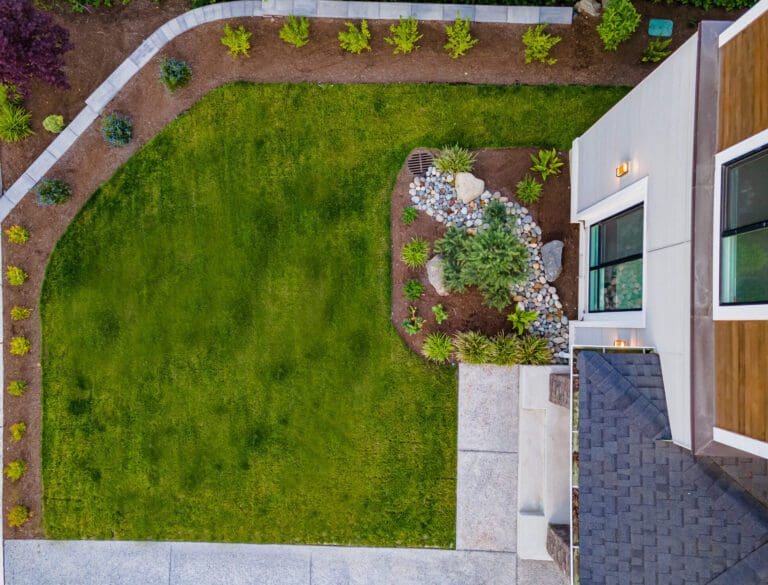
Pre-Winter Drainage Prep for Seattle Yards
October drainage work prevents January standing water in Seattle yards. Clearing grates, checking grades, and routing downspouts now keeps the wet season manageable.
Read Article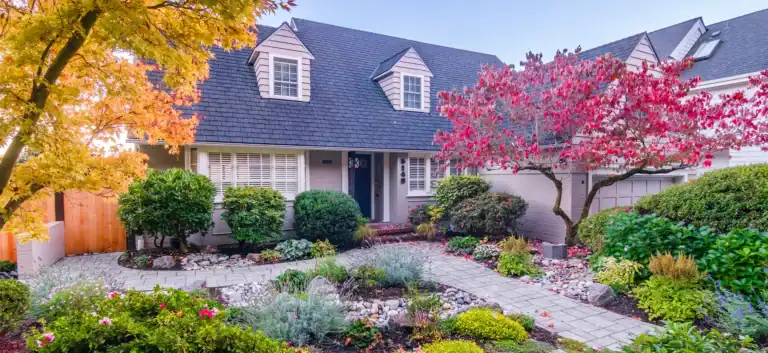
What a Professional Landscape Assessment Reveals That Years of Living With a Yard Misses
Read Article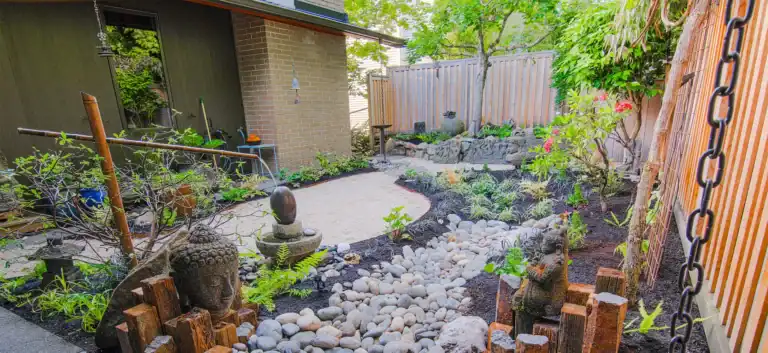
Why Most Seattle Yards Underperform Their Potential — And It’s Not About Neglect
Read Article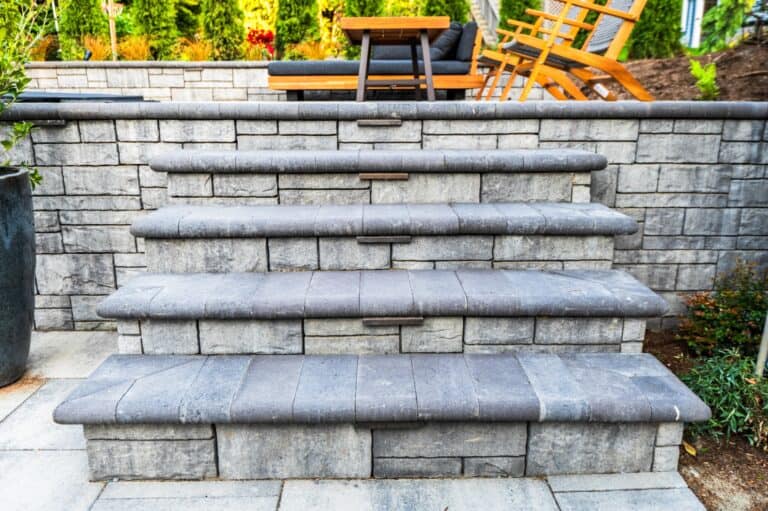
Backyard Redesign Ideas for Seattle: Create a Cohesive Outdoor Living Space
Read Article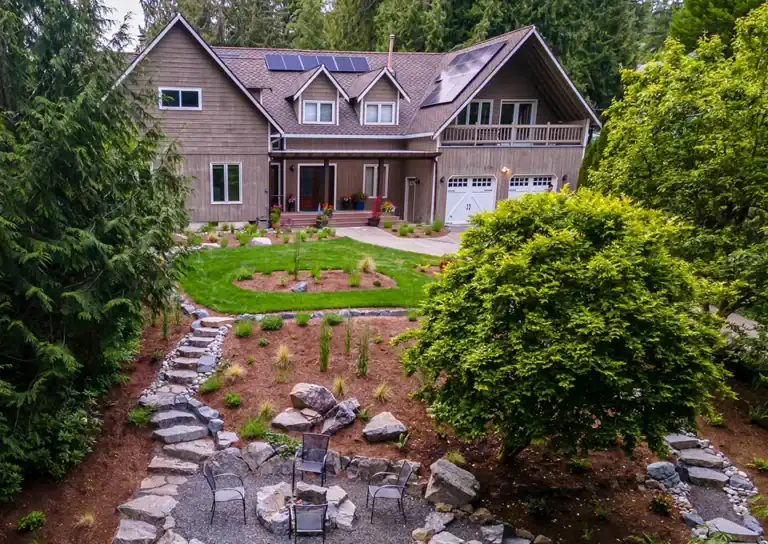
What’s Actually Standing Between You and the Yard You’ve Had in Mind
Read Article
The Outdoor Space You’ve Been Meaning to Create: Why the Timing Is Usually Right When It Feels Right
Read Article
Why Seattle Backyards Stay Stuck — And What It Actually Takes to Change Them
Read ArticleMoss in Your Lawn: What’s Actually Causing It and What Works
Moss in your Seattle lawn is a symptom, not the problem. Here's what's causing it — shade, compaction, low pH — and the fixes that last.
Read ArticleRetaining Wall Warning Signs in Seattle: 9 Things to Watch For
Leaning, cracking, or bulging retaining wall? How to tell if it needs monitoring, repair, or replacement — from 15 years of wall work across Seattle.
Read ArticleThe Drainage Mistake Most Greater Seattle Homeowners Make
Most Greater Seattle homeowners grade yards toward the house or skip drainage before landscaping. Here's what goes wrong and how to avoid costly rework.
Read ArticleWhat Happens When You Landscape Without Addressing Drainage First
Landscaping without fixing drainage first leads to plant loss, heaving pavers, and costly rework. Here's what goes wrong on Greater Seattle properties.
Read ArticleFrench Drain Installation in Seattle: DIY vs Pro
Read ArticleFrequently Asked Questions About Diagnosis & Solutions
In most Seattle-area neighborhoods, the culprit is compacted clay soil that doesn’t drain well, combined with insufficient grading away from the house. Yards in Bellevue, Kirkland, and Redmond often sit on glacial till — a dense layer of clay and gravel left by retreating ice sheets — that acts almost like a bathtub. A French drain system, re-grading, or a dry creek bed can usually solve the problem, depending on where the water is collecting and where it needs to go.
The early signs are subtle: a slight lean (more than 1 inch per foot of height), horizontal cracks in the mortar joints, soil washing out from behind the wall, or the wall separating from adjacent structures. Timber walls in the PNW typically last 15-20 years before the wood deteriorates enough to compromise structural integrity. If your wall is leaning visibly, it’s worth getting a professional assessment before the next heavy rain season — wall failures tend to accelerate once they start.
Usually, yes — but the moss is a symptom, not the root cause. In the Pacific Northwest, moss takes over lawns that are too shady, too compacted, too acidic, or some combination of all three. A soil test (about $30 through King County Extension) will tell you your pH and nutrient levels. From there, a targeted approach — lime to correct acidity, core aeration to reduce compaction, overseeding with shade-tolerant fescue blends, and selective tree pruning to increase light — can transform a mossy lawn over one to two growing seasons.
Take it seriously. Persistent water against your foundation can lead to basement moisture, cracks, and long-term structural concerns. The fix is often simpler than homeowners expect: re-grading the soil to slope away from the house at a minimum of 6 inches over the first 10 feet, extending downspouts, and in some cases installing a curtain drain along the foundation wall. If you’re noticing dampness in your basement or crawl space, address the grading first — it’s the least expensive intervention and solves the majority of cases.
Overwatering is actually the most common cause of plant death in Seattle landscapes. Our summer dry season fools homeowners into watering on a schedule designed for much drier climates, and many PNW-adapted plants (like Oregon grape, salal, and sword fern) actually suffer from too much summer irrigation. The other common culprit is planting the wrong species for the light and soil conditions — a sun-loving plant in deep shade will decline slowly no matter how well you care for it. A quick check: if the soil an inch below the surface is still damp, hold off on watering.
Both. Moss on hardscape surfaces is a slip hazard, especially on smooth-cut stone or sealed concrete. But it can also work its way into paver joints and mortar lines, slowly prying things apart over time. Annual pressure washing (at the right PSI — too high damages pavers) and a zinc sulfate treatment keep most patios moss-free. For ongoing trouble spots, consider increasing sunlight by pruning overhead branches or switching to a textured paver surface that moss has a harder time gripping.
Ready to diagnose what's going on in your yard?
A quick site visit is usually all it takes to identify the cause and talk through realistic options. No pressure, no hard sell — just a conversation about what's happening and what would fix it.