
What Landscaping Actually Costs in the Seattle Area — and How to Plan for It
One of the first questions homeowners ask is “how much will this cost?” — and the honest answer is almost always “it depends.” That’s not a dodge. Landscape projects in the Greater Seattle area involve so many variables — lot size, slope, soil conditions, material choices, permit requirements, existing infrastructure — that a single number would be misleading.
What we can do is give you real ranges based on actual projects. Over four decades of building landscapes across Kirkland, Bellevue, Redmond, Sammamish, and Seattle neighborhoods from Ballard to Magnolia, Classic Landscaping has developed a practical sense of what things cost and where homeowners can (and can’t) save money without compromising quality.
The articles in this guide cover specific cost breakdowns for common projects, explain how the design-build process works from first meeting to finished yard, and walk through strategies like phased installation that make larger projects financially manageable. We’ve also included what to expect in a landscape proposal so you can compare bids with confidence.
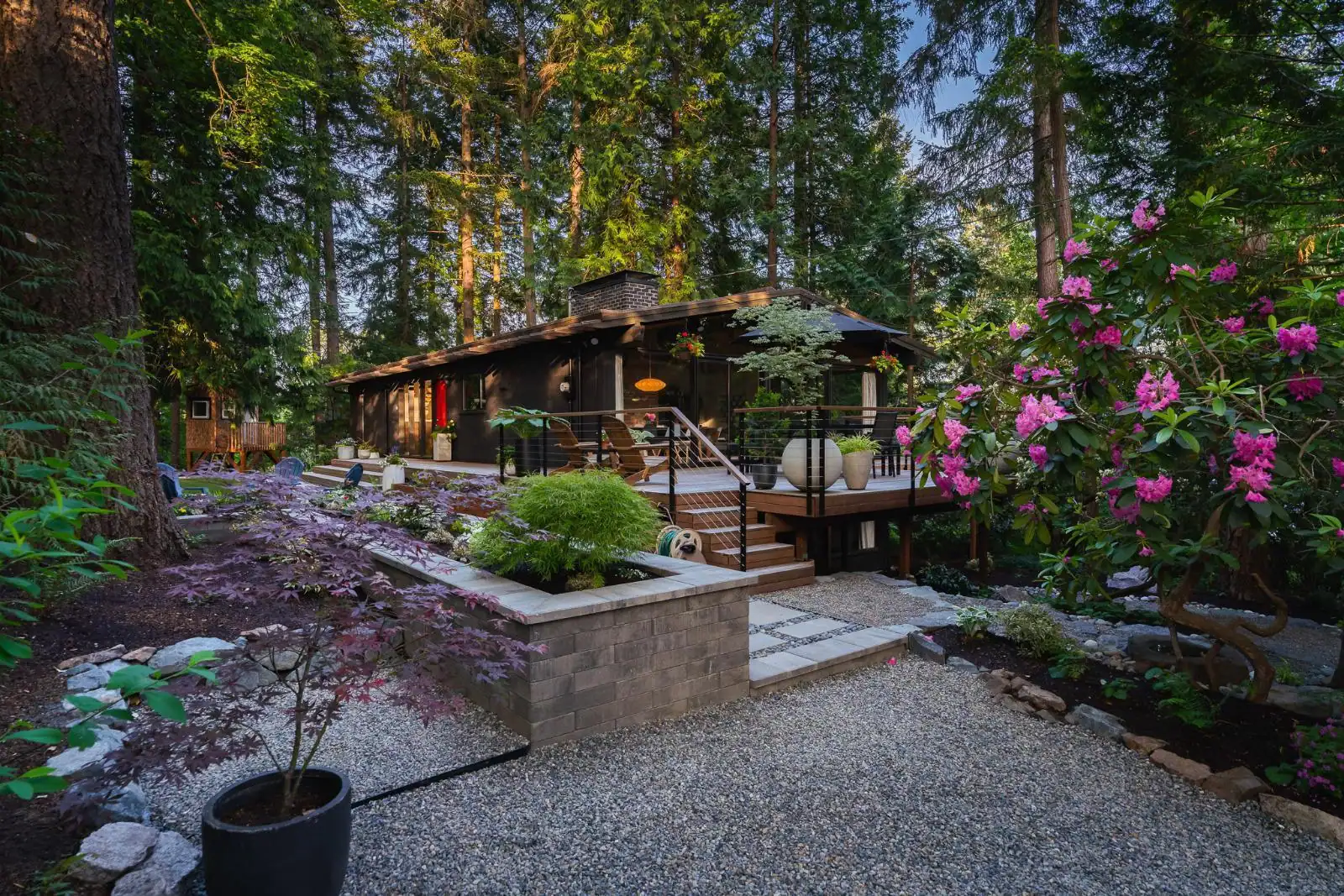
What We Cover
Cost ranges for common projects — patios, retaining walls, plantings, full-yard renovations
How the design-build process works and what each phase costs
Phased landscaping — how to spread a big project across two or three seasons
Understanding landscape proposals and comparing bids fairly
ROI and home value — which landscape investments pay for themselves
Where to save and where to spend — practical budgeting trade-offs
Costs Planning Articles & Guides
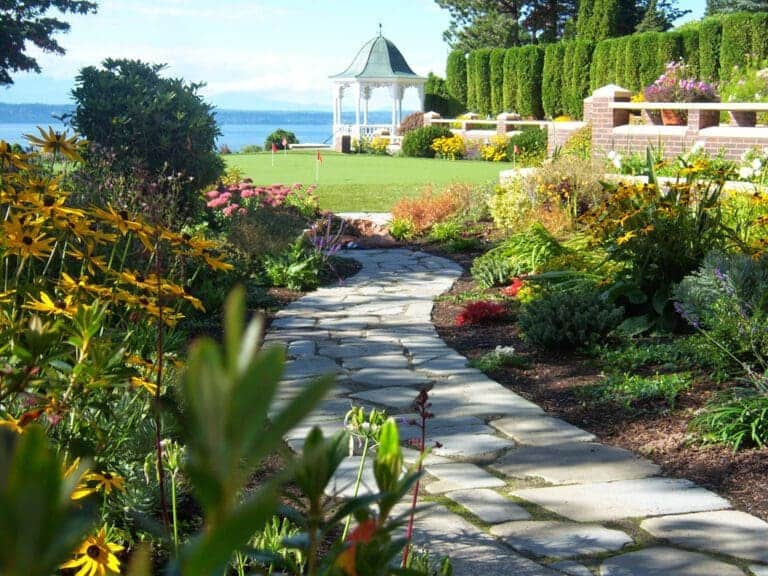
Seasonal Services or a Maintenance Contract?
If your yard is mostly lawn and your lawn service suits you, add seasonal work from a second company. A planted garden needs landscape maintenance.
Read Article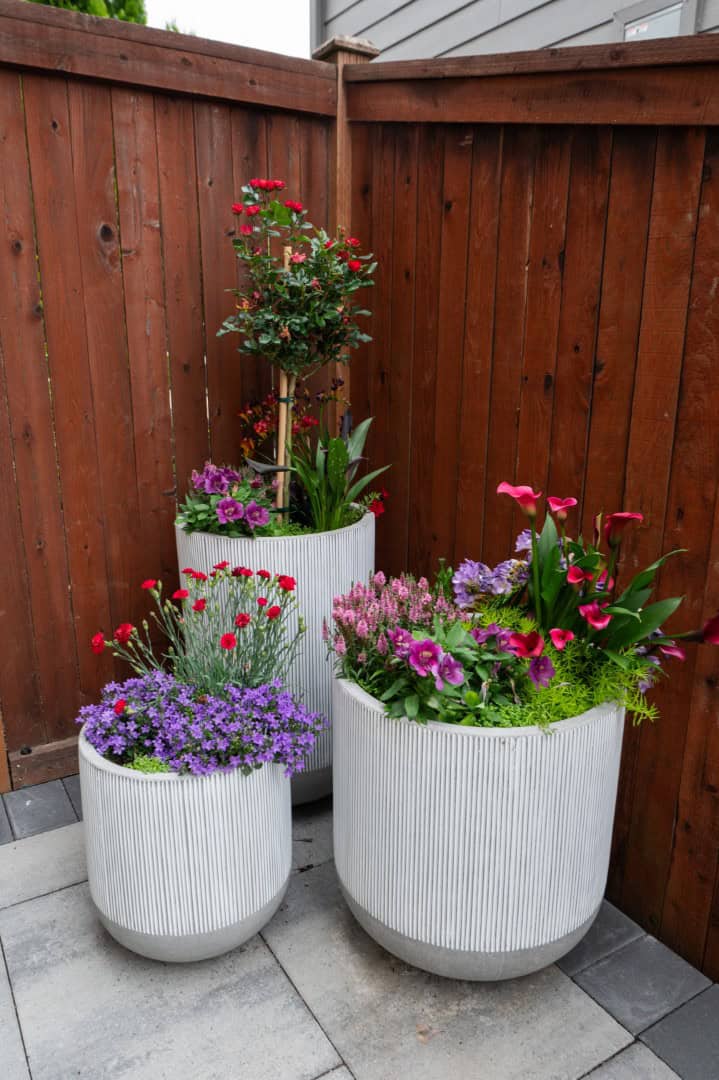
Tree Planting Service Cost in Seattle
Tree planting service cost in Seattle ranges from $400-$1,200 per tree installed. Caliper size, species, and site access shape the cost variation.
Read Article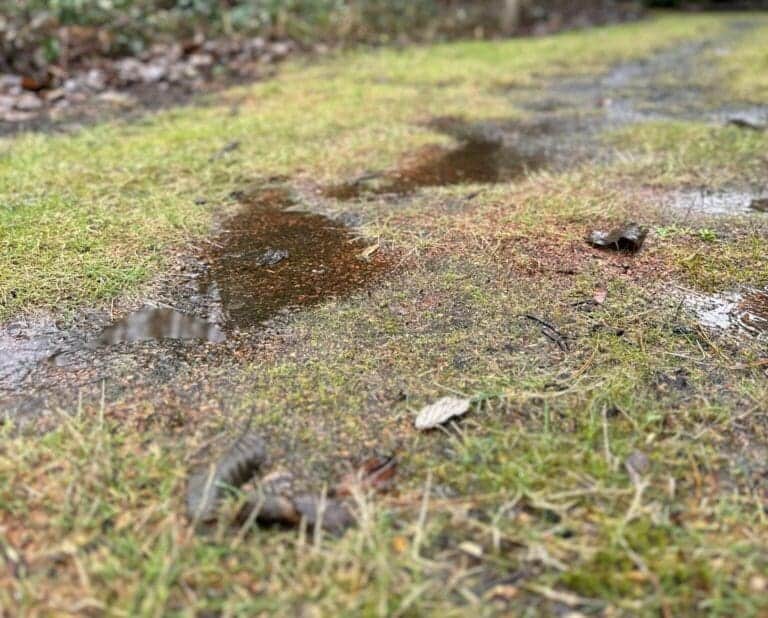
Drainage Installation Cost in Seattle
Drainage installation cost in Seattle ranges from $2,500 for a basic French drain to $8,000+ for a full catch basin network. Here's what shapes the cost.
Read Article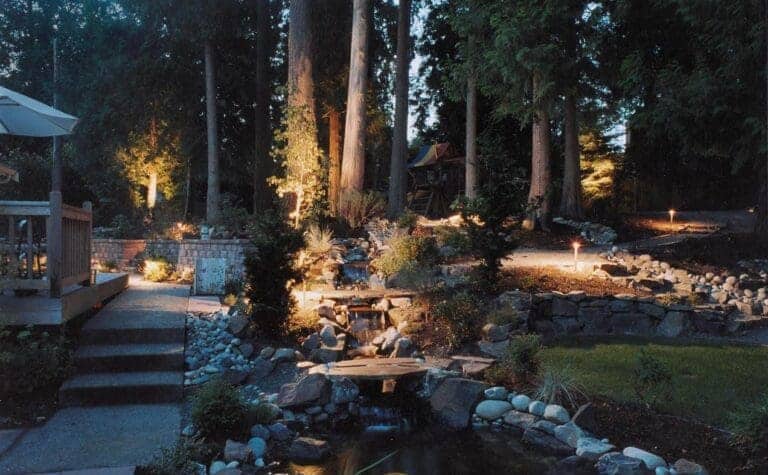
Outdoor Lighting Installation Cost in Seattle
Outdoor lighting installation in Seattle ranges from $3,000 for a small starter system to $20,000+ for full-property design. Here's what drives the cost difference.
Read Article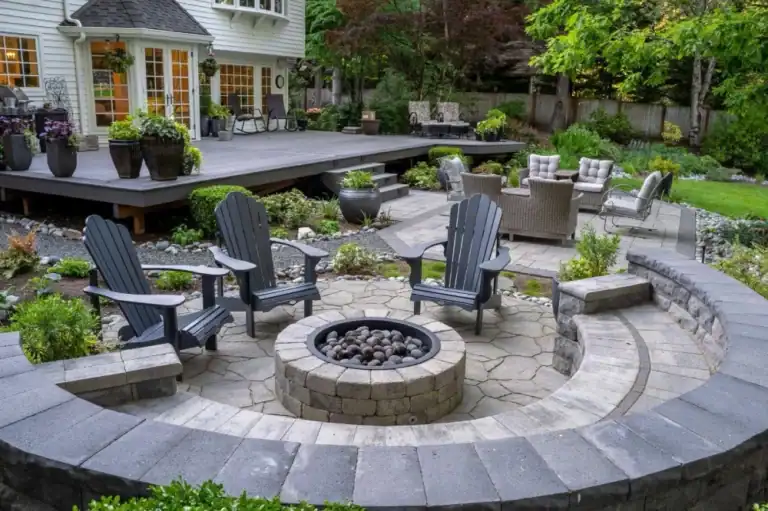
Hardscape Installation Cost in Seattle
Hardscape installation cost in Seattle varies widely by material, size, and site complexity. Paver patios typically run $25-$55 per sq ft; natural stone runs higher.
Read Article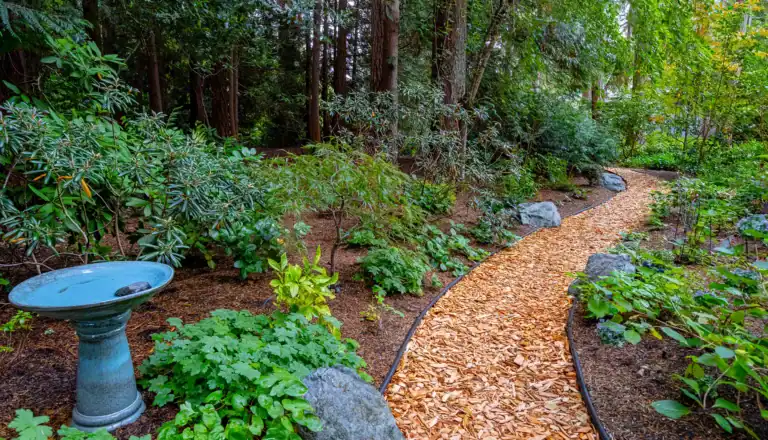
Fall Cleanup Cost in Seattle Yards
Fall cleanup cost in Seattle depends on yard size, leaf volume, and scope. Quarter-acre yards typically run $400-$800; larger properties run $800-$1,500.
Read Article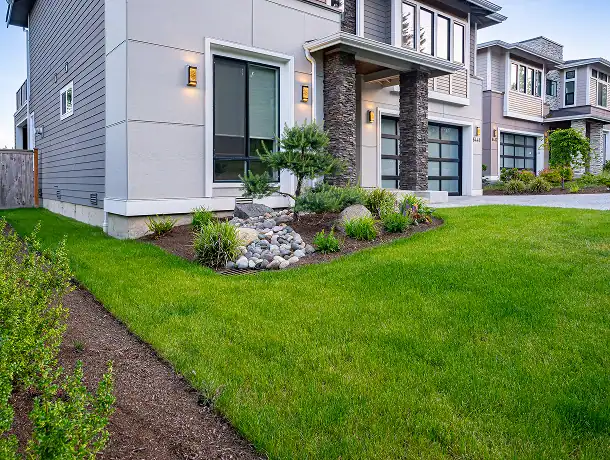
Lawn Aeration & Overseeding Cost in Seattle
Lawn aeration and overseeding cost in Seattle ranges with lawn size, soil condition, and seed quality. Here's what professional service includes and what drives the price.
Read Article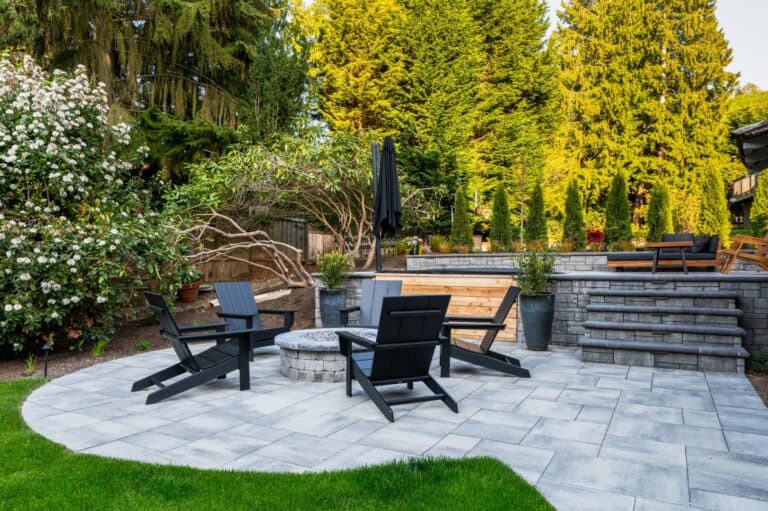
Retaining Wall Installation in Seattle: Materials, Permits, and Lifespan
Retaining walls in Seattle face wet soil, slope pressure, and permit thresholds. Material choice and engineering determine whether the wall lasts 30 years or seven.
Read Article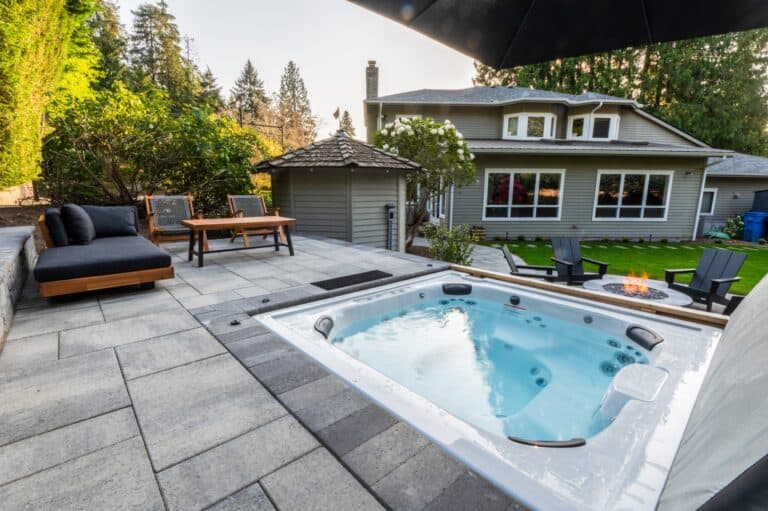
Hardscape Installation in Fall: Why Now Is Often the Best Time
Fall hardscape installation in Seattle benefits from drier ground, cooler crew conditions, and project completion before holiday entertaining. Here's why timing matters.
Read Article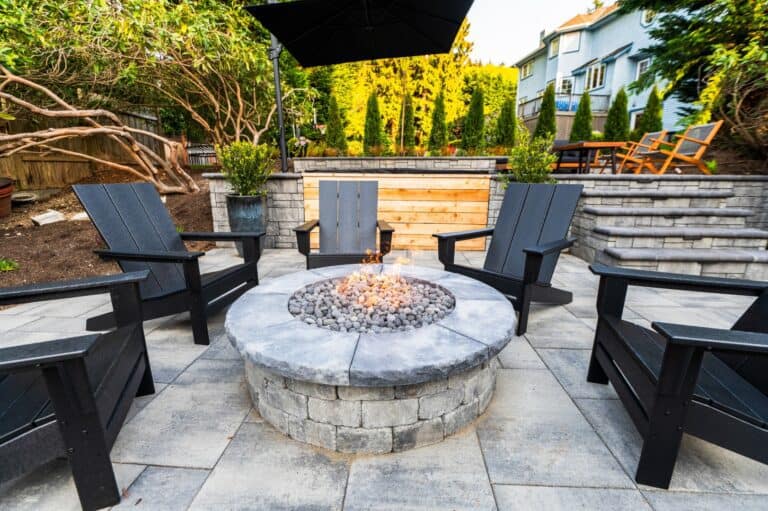
What a Front Yard Transformation Costs in Seattle — and Why It’s Often the Highest-ROI Landscape Investment
Read Article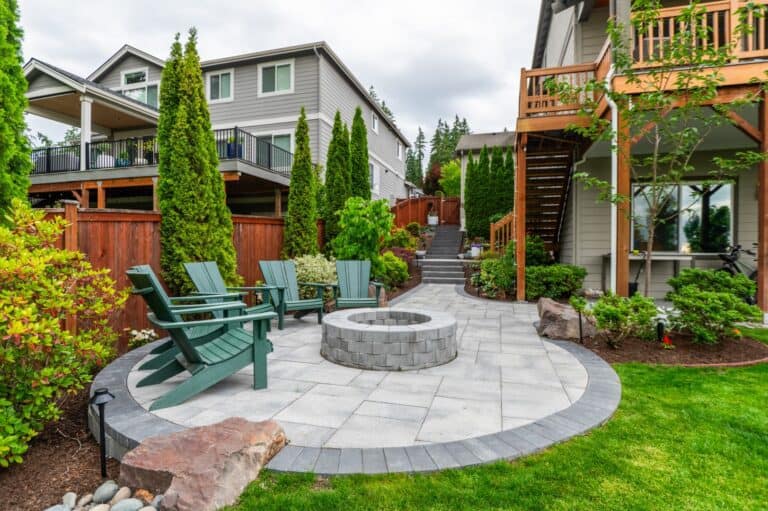
Landscape Lighting Cost in Seattle: What a Professional System Costs and What It Changes
Read Article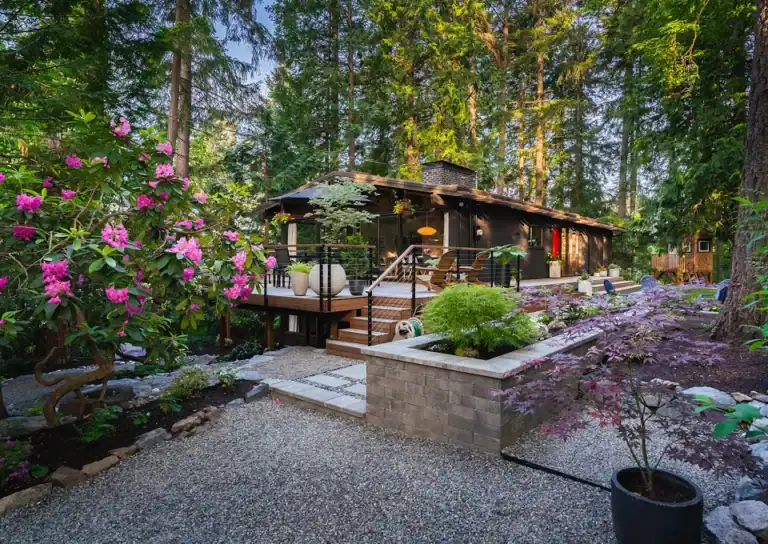
Outdoor Kitchen and Covered Patio Cost in Seattle: What Year-Round Outdoor Living Actually Costs
Read ArticleFrequently Asked Questions About Costs Planning
For a typical Greater Seattle home (7,000-10,000 sq ft lot), a comprehensive landscape renovation — including hardscape, plantings, irrigation, drainage, and lighting — generally runs between $50,000 and $150,000. Smaller projects focused on a single area (front yard only, or a backyard patio with surrounding plantings) typically fall in the $15,000 to $50,000 range.
Absolutely, and we recommend it for larger projects. A phased approach means designing the whole property at once (so everything fits together) but building it over two or three seasons. The key is getting the design done upfront — retrofitting drainage under a finished patio is far more expensive than doing it right the first time.
Look beyond the bottom-line number. A thorough proposal should itemize materials, include a scaled design drawing, specify base preparation and drainage, outline a timeline with milestones, and detail what’s included in the warranty. The most common source of price differences isn’t markup — it’s scope.
The National Association of Realtors estimates that a well-designed landscape adds 10-15% to a home’s perceived value. The highest-ROI investments tend to be hardscape additions (patios, walkways), mature plantings, and landscape lighting.
Late fall and winter (November through February) are the slowest months for landscape companies. For the best balance of price, availability, and weather, starting the design process in fall for a spring build gives you priority scheduling.
For anything beyond basic maintenance or a straightforward planting refresh, yes. A scaled design is the only way to get an accurate cost estimate because it defines exactly what’s being built. Most design-build firms fold the design fee into the project cost if you move forward with construction.
Ready to talk numbers for your project?
We'll walk through your goals, look at your property, and give you a straightforward range before any design work begins. No surprise costs, no bait-and-switch — just an honest conversation about what's realistic for your budget.