
The Best Time to Start a Landscape Project in Seattle — and Why It Matters More Than You Think
Timing is one of the most underrated factors in a landscape project’s success. Plant something in July without irrigation, and it’ll struggle through summer drought. Pour concrete in December, and curing times double. Call a landscape company in April hoping to start in May, and you’ll likely be waiting until July.
Seattle’s climate creates a surprisingly specific calendar for landscape work. Our mild winters allow construction almost year-round, but the wet season brings complications. Summer is the most popular time to build, which means longer lead times.
The articles in this guide break down the seasonal dynamics that affect landscape projects across Greater Seattle and Greater Seattle. When to plant for the best establishment, when to build for the best scheduling and pricing, how far ahead to start the design process, and what happens if you wait too long. Classic Landscaping’s crews work through every season — spring planting windows, summer build backlogs, and fall’s underrated advantages — and this accumulated calendar knowledge can save you months of delay and meaningful money on your project.
What We Cover
Seattle's landscape construction calendar — what works best in each season
The best planting windows for the Pacific Northwest — fall's secret advantage
Lead times and scheduling — how far ahead to plan
The cost of waiting — how seasonal demand affects pricing
Winter projects that make sense — what you can accomplish in the rainy season
Coordinating with seasonal maintenance — timing improvements around existing landscape needs
Seasonal Planning Articles & Guides
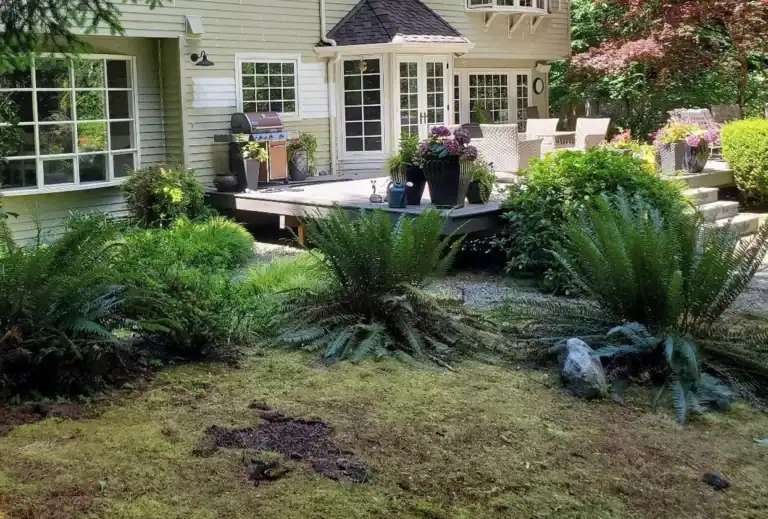
What Happens to a Seattle Property When Landscape Problems Go Another Season
Read Article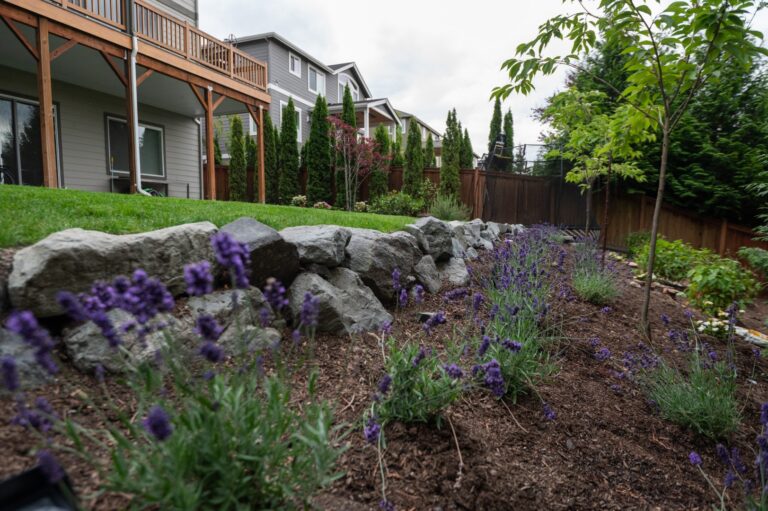
When to Plant Trees in the Pacific Northwest
Plant trees in the Pacific Northwest October through early December — warm soil, cool air, and winter rain do the establishment work for you. Here's how.
Read Article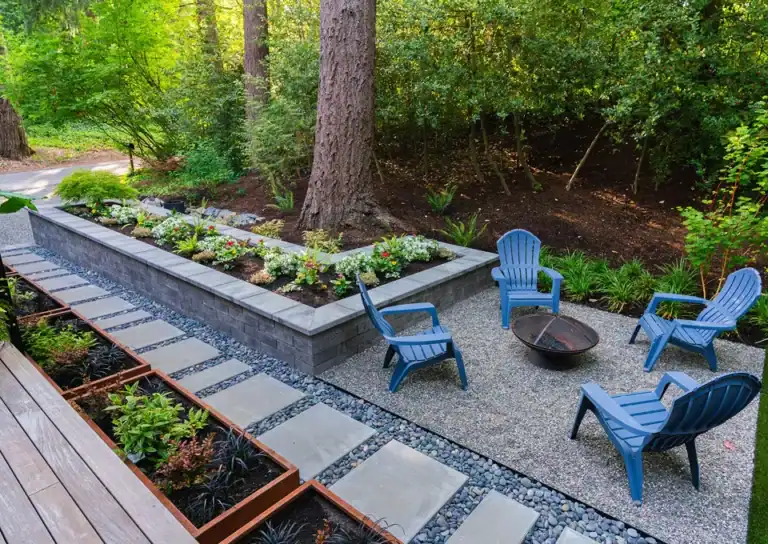
The Seattle Landscape Calendar: What Happens Every Month and Why It Matters
Read Article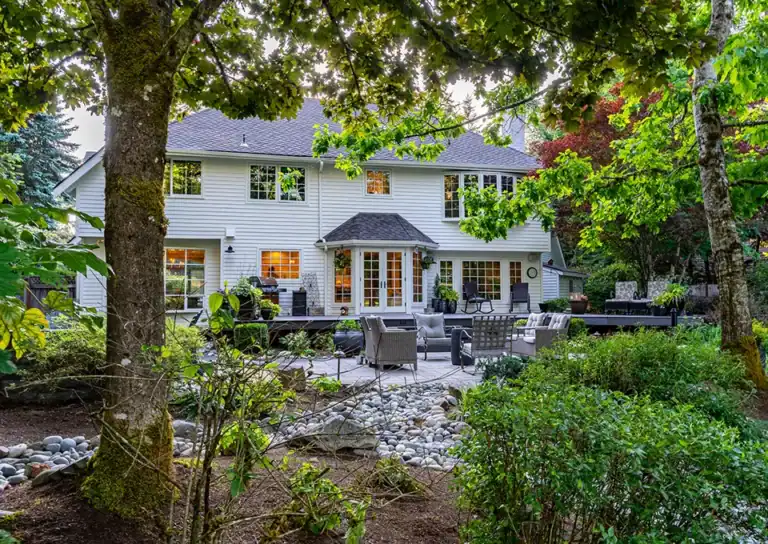
Why Fall Is When Seattle’s Best Landscape Projects Begin
Read Article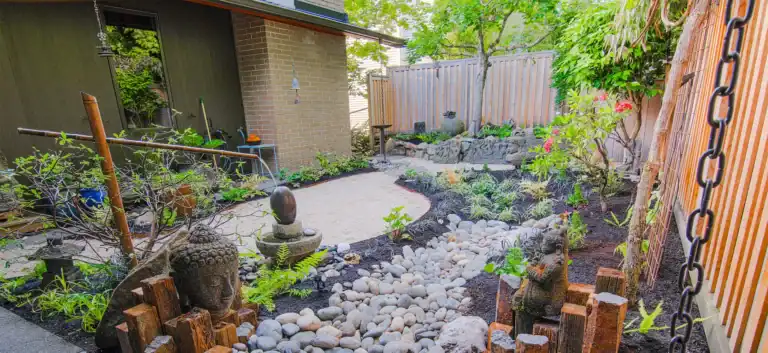
When to Start Planning a Seattle Landscape Project
Read Article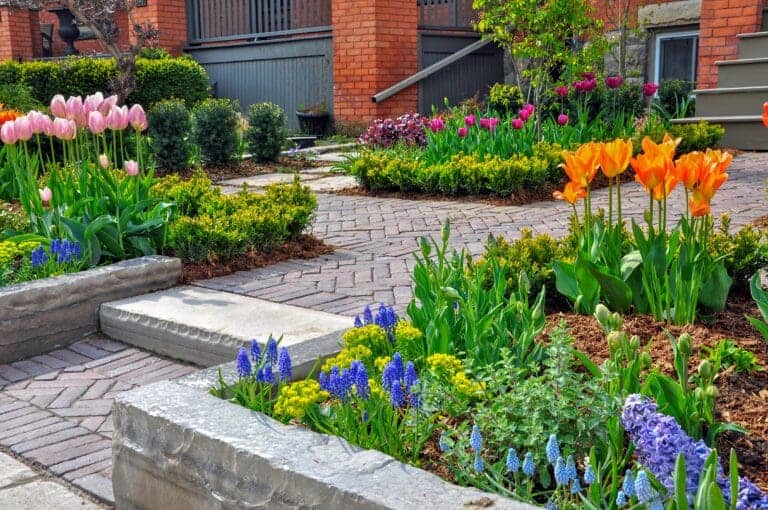
When to Plant Bulbs in the Pacific Northwest
Plant tulips, daffodils, and crocus in Pacific Northwest soil from mid-October through November — once ground temperature drops below 55°F. Here's how to time it right.
Read Article
What Homeowners Who Delayed Their Landscape Project by One Year Actually Experienced
Read Article
How Seattle’s Permitting Timeline Affects Your Landscape Project Schedule — and How to Plan Around It
Read Article
Why Landscape Projects Started in Winter Often Finish Better Than Those Started in Spring
Read Article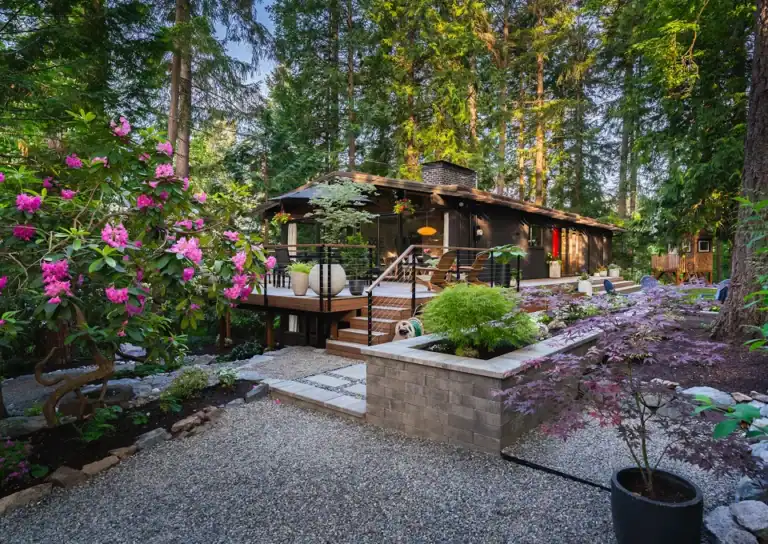
Why Landscape Material and Labor Costs in Seattle Have Made Waiting More Expensive Than Acting
Read Article
Why Landscape Projects Scheduled for Summer Fill Up by February in Seattle
Read Article
Why Classic’s Project Calendar Fills 3–6 Months Out
Read ArticleFrequently Asked Questions About Seasonal Planning
The best time to start the process is fall (September-November). Design work happens during winter when firms have more availability, and you’re positioned for a spring construction start when conditions are ideal.
For most trees, shrubs, and perennials in the PNW, fall planting gives significantly better results. Fall-planted material gets 5-6 months of cool, wet weather to establish roots before summer drought arrives.
Hardscape construction can proceed through most of the wet season. What doesn’t work well in heavy rain: fine grading, lawn installation, and large-scale planting in saturated soil.
For a design-build project, 3-6 months before your desired construction start is ideal. During peak season, construction backlogs can run 6-10 weeks.
Material prices are generally consistent year-round, but labor availability during peak season means less flexibility. A project designed in winter and built in early spring typically delivers the best balance of cost, quality, and timing.
Spring: Cleanup, edge beds, pre-emergent weed control, start mowing. Summer: Deep watering, deadheading, summer pruning. Fall: Core aerate, overseed, plant trees/shrubs, fall fertilizer. Winter: Prune deciduous trees, plan next year’s projects.
Ready to plan your project timeline?
The earlier the conversation starts, the smoother the project goes. Reach out, and we'll help you map out a realistic timeline based on what you want to accomplish and when conditions are best for doing it.