
Finding the Right Landscape Company in Seattle: An Honest Framework for Homeowners
Choosing a landscape company is one of those decisions where the stakes are higher than they appear. A good hire transforms your property. A bad one can mean months of frustration and the sinking realization that fixing someone else’s work costs more than doing it right the first time.
The challenge is that from the outside, landscape companies can look similar. Websites show beautiful project photos. Everyone promises quality and reliability. Bids come in at different numbers, and it’s not obvious why.
This guide shares what we’ve learned from being in this industry across Greater Seattle for over four decades. The articles cover how to evaluate portfolios and proposals, the differences between company types, what credentials and insurance actually protect you, and the warning signs to watch for.
What We Cover
Questions to ask a landscape company before signing anything
Design-build vs. separate designer and contractor — the trade-offs
How to evaluate a landscape portfolio — beyond pretty photos
Understanding proposals and contracts — what should be included
Credentials, licensing, and insurance — what's required in Washington
Red flags and warning signs — patterns experienced homeowners recognize
Choosing a Landscaper Articles & Guides
Why Seattle Homeowners Who Take the Lowest Landscape Bid Often End Up Paying for It Twice
Read Article
The Questions That Reveal Whether a Landscape Company Can Actually Deliver
Read Article
How to Evaluate Competing Landscape Proposals
Read Article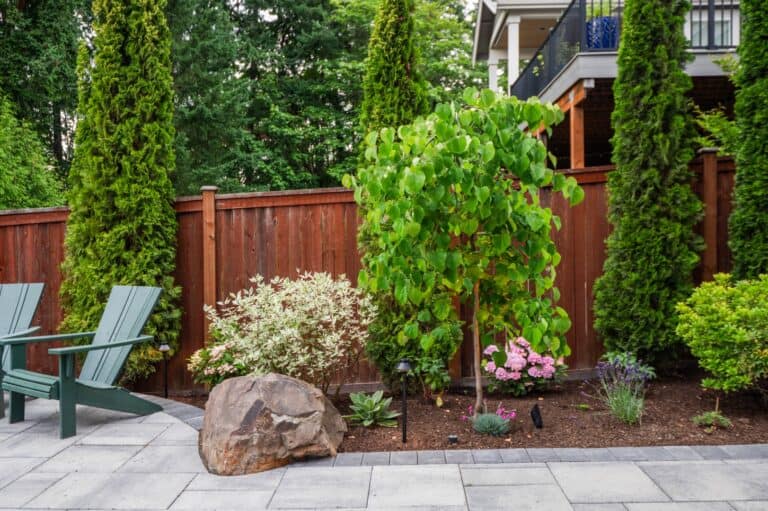
How to Make a Final Decision on a Landscape Contractor
Read Article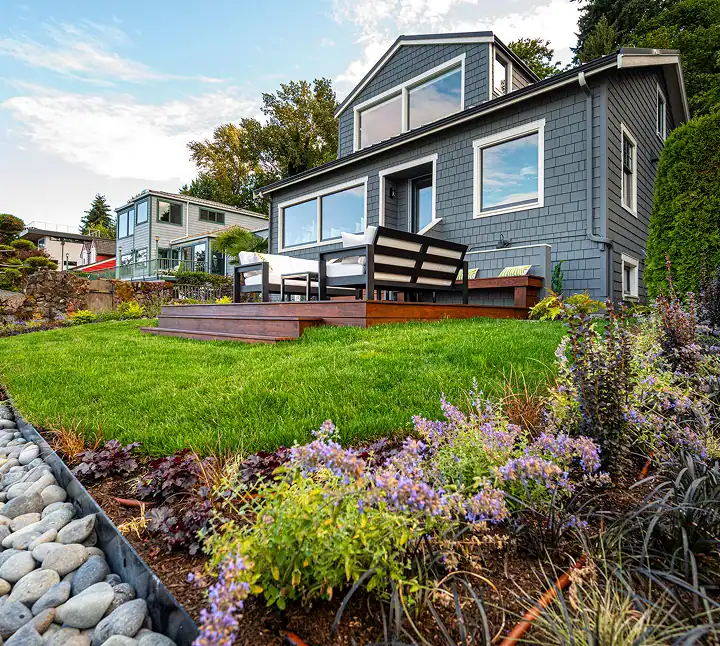
Why ‘I’ll Get a Few More Quotes’ Often Delays Seattle Homeowners by an Entire Season
Read Article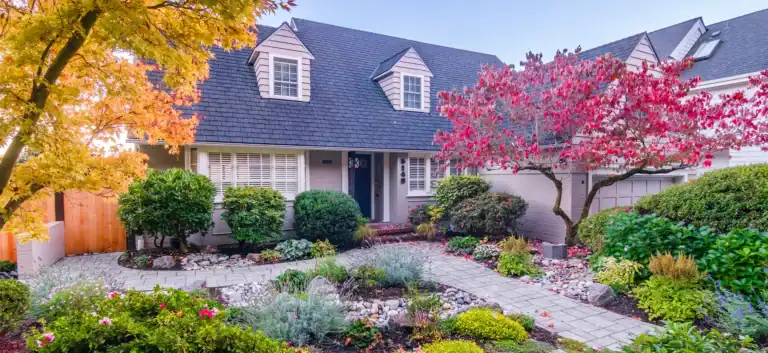
What Landscape Warranties Actually Cover in Washington State
Read Article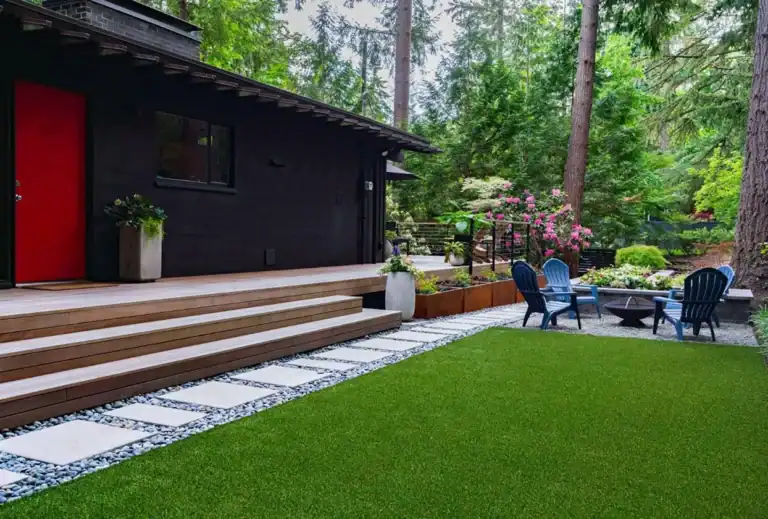
Why Seattle Landscaping Companies Book Up Early
Read Article
How to Tell If a Landscape Company Is Actually as Busy as They Say — and Why It Matters
Read Article
What First-Time Landscape Clients Wish They’d Known Before Starting Their Project
Read Article
What Seattle Homeowners Find Out After Hiring the Lowest Landscape Bidder
Read Article
How to Read a Landscape Proposal: What Every Section Should Tell You
Read Article
How to Know If Your Landscape Contractor Is Actually Qualified — Before You Sign Anything
Read ArticleFrequently Asked Questions About Choosing a Landscaper
Start with: How long have you been in business? Are you licensed, bonded, and insured? Can I see three recent projects similar to mine? Then: Who manages my project day to day? How do you handle change orders? What does your warranty cover? Can I talk to recent clients?
Design-build means one company handles both design and construction. The advantage is accountability and streamlined communication. Hiring separately gives you an independent design advocate but introduces a handoff where miscommunication can happen. For most residential projects under $200K, design-build is more efficient.
Check that bids cover the same scope: same base depth, paver thickness, plant sizes, and included elements. A bid that’s 30% lower often reflects thinner base prep, smaller plants, or missing elements. Ask each company to break their bid into categories for line-by-line comparison.
Yes — Washington requires a general contractor’s license for any project over $500 in labor and materials. You can verify any contractor’s license at lni.wa.gov. Also look for ICPI certification for hardscape and ISA certification for tree work.
Requesting more than 30-50% deposit upfront, reluctance to provide a written contract, no physical business address, unable to show proof of insurance, no recent references, and a bid dramatically lower than every other estimate. Also watch communication patterns during the sales process.
Both models have strengths. Larger firms offer more design capability, dedicated project management, and robust warranty backing. Smaller operations can be more flexible and sometimes lower cost. The questions that matter more than size: Do they have experience with projects like mine? Can they handle my timeline?
Ready to start the conversation?
We're happy to answer your questions, walk your property, and give you a clear sense of what a project would involve — with no obligation. If we're the right fit, great. If not, you'll still walk away better informed about what to look for.