- Fall cleanup for a typical quarter-acre Pacific Northwest property runs $400-$800; larger half-acre properties run $800-$1,500.
- Standard scope includes vacuum leaf collection, bed cleanup, selective perennial cutback, mulch refresh, drainage grate clearing, final mow, and equipment winterization.
- Five cost drivers: yard size, canopy density, slope and access, bed area, and specific add-on requests.
- Fall cleanup is typically the largest single fall maintenance expense; a complete fall program (cleanup + aeration + fertilizer + hedge work + bulbs) runs $1,200-$2,500 for a quarter-acre property.
- DIY savings run $200-$400 for a typical property but require a full weekend and disposal logistics.
- Heavy-canopy properties push toward the upper end of the price range; light-canopy small properties price toward the lower end.
- Booking professional cleanup in August or early September secures crew availability; mid-October bookings often face limited availability.
Professional fall cleanup for a typical quarter-acre Pacific Northwest property runs $400-$800. Larger half-acre properties typically run $800-$1,500. The scope at standard pricing includes leaf removal (vacuumed for clean off-site disposal), planting bed cleanup, selective perennial cutback by species, drainage grate clearing, final mow at fall height, and equipment winterization. Heavy canopy or significant slope can push pricing higher; small flat properties with light canopy may price lower. The fall cleanup is one of the most consistent enhancement bookings of the year across the Seattle Metro Area — most established residential service providers complete dozens of cleanups in November and early December, building experience that makes the price predictable rather than variable.
What's included in standard fall cleanup pricing?
A standard fall cleanup at the typical price point includes:
- Vacuum leaf collection — leaves removed via vacuum truck, not blown into beds or to a corner of the property
- Planting bed cleanup — spent annuals pulled, summer debris cleared, beds left clean for winter
- Selective perennial cutback — by species (some get cut to the ground, others stay standing for winter interest and habitat)
- Mulch refresh — 1-2 inch top-dressing on planting beds where needed
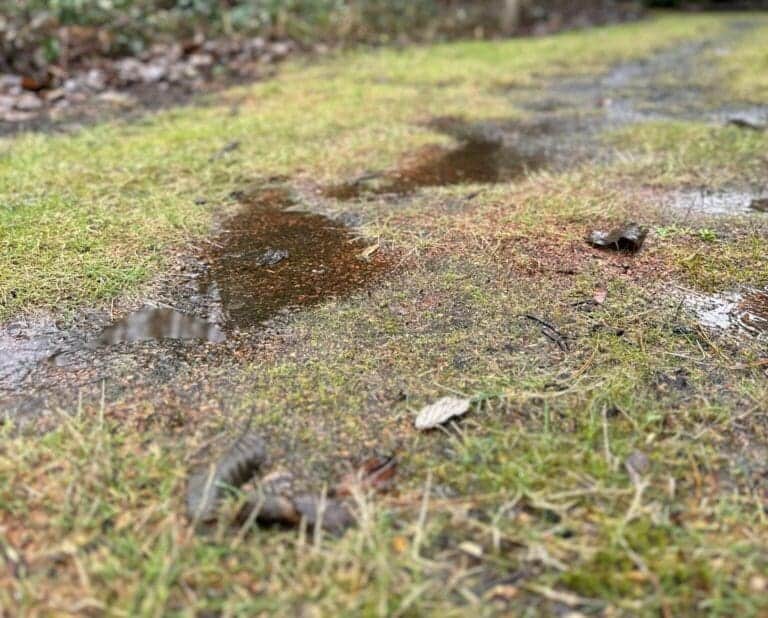
- Drainage grate clearing — catch basins, area drains, and downspout exits cleared of leaf debris
- Final fall mow — lawn at appropriate fall height (3-3.5 inches), edges trimmed
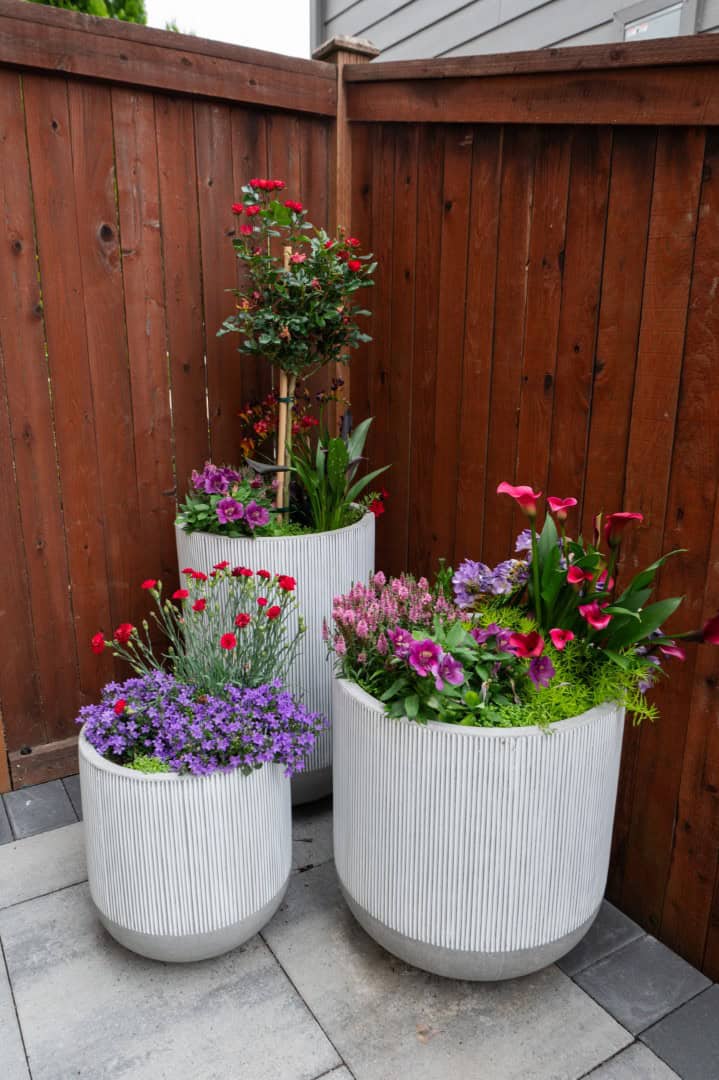
- Equipment winterization — irrigation blow-out if included in scope, pottery brought in or covered
- Site walk — quick check for any issues to flag for spring attention
What typically requires separate pricing:
- Gutter cleaning (usually a roofing or gutter-specific service)
- Significant drainage problem remediation (separate enhancement scope)
- Major tree pruning or removal (separate arborist scope)
- Lawn renovation beyond standard fall scope (separate maintenance)
The full scope detail is covered in the fall cleanup guide.
What drives the cost difference between properties?
Five factors shape fall cleanup pricing:
Yard size. The most predictable variable. Quarter-acre standard pricing scales up roughly proportionally for larger properties. Very small yards may have minimum charges that affect per-square-foot economics.
Canopy density. A yard with two mature trees produces dramatically less leaf volume than a yard with twelve. The vacuum collection time scales with leaf load. Properties with heavy maple, oak, or mixed mature canopy push toward the upper end of the price range.
Slope and access. Sloped properties require more careful work and limit equipment options. Difficult access (no truck-accessible drop, narrow gates, multiple stair sets) adds crew time.
Bed area. Properties with significant planting bed footprint (large foundation plantings, multiple ornamental beds, naturalized areas) require more bed cleanup work than properties that are mostly lawn.
Specific add-on requests. Some properties want extra attention on specific zones, fall planting prep, or pottery handling that goes beyond standard scope. Add-ons price additionally but predictably.
How does fall cleanup cost compare to other fall services?
Fall cleanup is typically the largest single fall maintenance expense for most Pacific Northwest properties. Approximate ordering by typical cost on a quarter-acre property:
- Fall cleanup ($400-$800) — biggest single visit
- Aeration plus overseeding ($400-$800) — paired service in same range
- Late-October fertilizer application ($75-$200) — quick visit, smaller scope
- Hedge trimming (if needed) ($200-$500) — varies by hedge length
- Bulb installation (if added) ($150-$500) — varies by quantity
A complete fall service program — cleanup, aeration plus overseed, fall fertilizer, hedge trimming, and bulb installation — runs roughly $1,200-$2,500 for a typical quarter-acre property when scoped individually. The cost ranges for adjacent services are detailed in our lawn aeration and overseeding cost guide. Maintenance programs that bundle fall services often price differently than individual booking — see the broader cost and planning overview for how bundled programs typically compare.
When does DIY fall cleanup make sense?
DIY fall cleanup is genuinely viable for many homeowners, with real trade-offs:
DIY makes sense when:
- You have a full weekend day available during the optimal cleanup window
- You own appropriate equipment (mulching mower at minimum; vacuum/blower combo ideal)
- The yard is small to moderate (under quarter-acre) with manageable canopy
- You’re willing to handle disposal — most yards generate 8-15 cubic yards of leaf material that needs curbside pickup or hauling
Professional service makes sense when:
- Yard size exceeds half-acre or canopy is heavy
- You don’t have a full weekend day available
- Drainage grates are concerns (the most-skipped DIY task)
- Disposal logistics are difficult (no curbside service, no truck access)
- Multiple fall projects compete for the same weekends (bulb planting, tree planting, other enhancement work)
The cost difference between DIY and hiring for a typical quarter-acre property runs $200-$400 in pocket savings — in exchange for a full Saturday of work plus disposal logistics. Many homeowners settle into hiring annually after a few years of DIY because the time-and-effort trade-off favors the service.